Use of AI by business has more than doubled, largest increase seen in SMEs
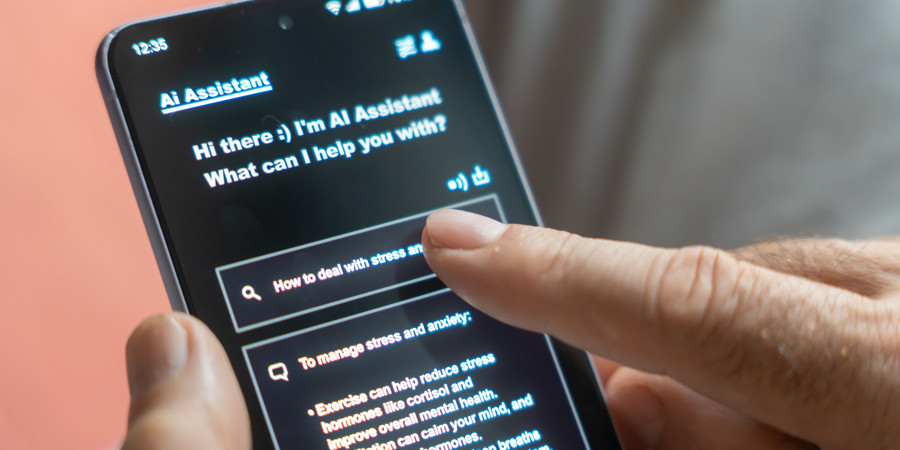
In 2026, 41 percent of enterprises with ten or more workers used one or more types of AI technologies, more than twice as many as in 2025. Enterprises are using more artificial intelligence above all for marketing or sales. The use of AI increased the most in the areas of accounting, auditing and financial management. Self-employed people mainly use AI to search for information and for writing. This is according to recent figures on the use of ICT by companies from Statistics Netherlands (CBS).
Both small and larger enterprises are using more artificial intelligence. The increase is the most pronounced among SMEs (between 2 and 249 employees). The use of AI is the most widespread among larger enterprises.
| Bedrijfsgrootte | 2026* (% of enterprises) | 2025 (% of enterprises) |
|---|---|---|
| Total (2 employees or more) | 41 | 18 |
| 250 employees or more | 89 | 67 |
| 50-249 employees | 75 | 46 |
| 10-49 employees | 55 | 28 |
| 2-9 employees | 37 | 15 |
| * provisional figures | ||
Use of text generation has seen a particular increase
The AI technologies most commonly used by enterprises are natural language generation (generating written or spoken language or code: 28 percent), text mining (the analysis of written text: 24 percent) and creating images, videos or audio files (24 percent). The use of natural language has increased by the most, from 8 percent in 2025 to 28 percent in 2026.
| AI-technologie | 2026* (% of enterprises) | 2025 (% of enterprises) |
|---|---|---|
| Natural language generation | 28 | 8 |
| Text mining | 24 | 12 |
| Generating images, videos or audio | 24 | 8 |
| Speech recognition | 13 | 6 |
| Image recognition or image processing | 10 | 2 |
| Machine learning | 9 | 4 |
| Robot-controlled process automation | 6 | 3 |
| Autonomous robots or drones | 1 | 1 |
| * provisional figures | ||
Use of AI is highest in information and communication, and lowest in the construction sector
Enterprises in the information and communication sector were the most likely to use one or more types of AI technologies, at 80 percent (compared to 59 percent in 2025). Publishing companies and media organisations also use AI frequently: 75 percent (42 percent in 2025). More than half of enterprises in the specialised business services and real estate activities sectors were using at least one type of AI technology in 2026.
AI use is lowest in the construction sector, accommodation and food services, and the transportation and storage sector. The increase was the most pronounced – a fourfold rise – among enterprises in the accommodation and food services sector and in transportation and storage.
| Jaar | 2026* (% of enterprises) | 2025 (% of enterprises) |
|---|---|---|
| Information and communication | 80 | 59 |
| Publishing companies and media organisations | 75 | 42 |
| Specialised business services | 54 | 34 |
| Real estate activities | 50 | 22 |
| Energy, water and waste management | 46 | 19 |
| Financial services | 45 | 29 |
| Health care and social care | 44 | 17 |
| Manufacturing | 42 | 18 |
| Rental, leasing and related business services | 39 | 17 |
| Retail and wholesale trade | 38 | 14 |
| Transport and storage | 28 | 7 |
| Accommodation and food services | 28 | 7 |
| Construction | 23 | 8 |
| * provisional figures | ||
AI use in accounting, auditing and financial management has doubled
Among enterprises that use AI-based software or systems, 42 percent do so for marketing or sales purposes. 35 percent of enterprises use AI for business administration or management tasks (such as risk assessment, selecting job applicants, basic translations or planning) and 30 percent for accounting, auditing and financial management.
The increase in AI use is most pronounced in accounting, auditing and financial management: from 17 percent in 2025 to 30 percent in 2026. Only 6 percent of enterprises use AI for logistics purposes.
| 2026* (% of enterprises that use AI) | 2025 (% of enterprises that use AI) | |
|---|---|---|
| Marketing or sales | 42 | 35 |
| Business administration or management tasks | 35 | 32 |
| Accounting, auditing or financial management | 30 | 17 |
| R&D or innovation | 24 | 25 |
| Production or service processes | 23 | 18 |
| IT-security | 17 | 11 |
| Logistics | 6 | 4 |
| * provisional figures | ||
Productivity increase in over half of enterprises
54 percent of enterprises using one or more types of AI technologies said that the use of AI has led to a productivity increase. 30 percent indicated that the nature of their work has changed as a result of AI. Another 16 percent of enterprises said that fewer staff are required, and 4 percent indicated that new roles and jobs are being created due to the use of AI use. A quarter say that it has had no impact on their company.
6 in 10 self-employed people use AI
Around 60 percent of self-employed workers without staff (ZZP) occasionally use AI, particularly to look up information or ask questions (54 percent). This group is the least likely to use AI to develop software or writing programme code (8 percent), or to communicate with customers (9 percent).
Sources
- StatLine - ICT use in small businesses (in Dutch)
- StatLine - ICT use among self-employed workers without staff
Related items
- News release - Companies using AI above all for marketing or sales